
Concrete Contractor serving Shingle Springs, CA
Serving properties along Ponderosa Road, Wild Chaparral Drive, and throughout this growing foothill community. We specialize in concrete work that handles the unique terrain and soil conditions of Shingle Springs, from sloped driveways to expansive patios that maximize your hillside views.
(530) 430-1838Our Services
We provide comprehensive concrete services for Shingle Springs homes and businesses. Whether you need a new driveway for your hillside property or commercial flatwork for your business along Highway 50, we have the experience and equipment to deliver quality results.
Concrete Patios
Custom outdoor living spaces designed for your lifestyle.
Concrete Driveways
Durable driveways built to last for decades.
Stamped & Decorative Concrete
Beautiful patterns and colors that enhance your property.
Concrete Slabs & Foundations
Solid foundations for sheds, garages, and new construction.
Retaining Walls
Structural walls that prevent erosion and create usable space.
Sidewalks & Walkways
Safe, attractive pathways for your home or business.
Pool Decks
Slip-resistant surfaces perfect for poolside safety and style.
Steps & Stairs
Custom concrete steps built for safety and curb appeal.

Concrete Repair
Fix cracks, settling, and damage before it gets worse.
Concrete Leveling
Lift sunken slabs without the cost of full replacement.
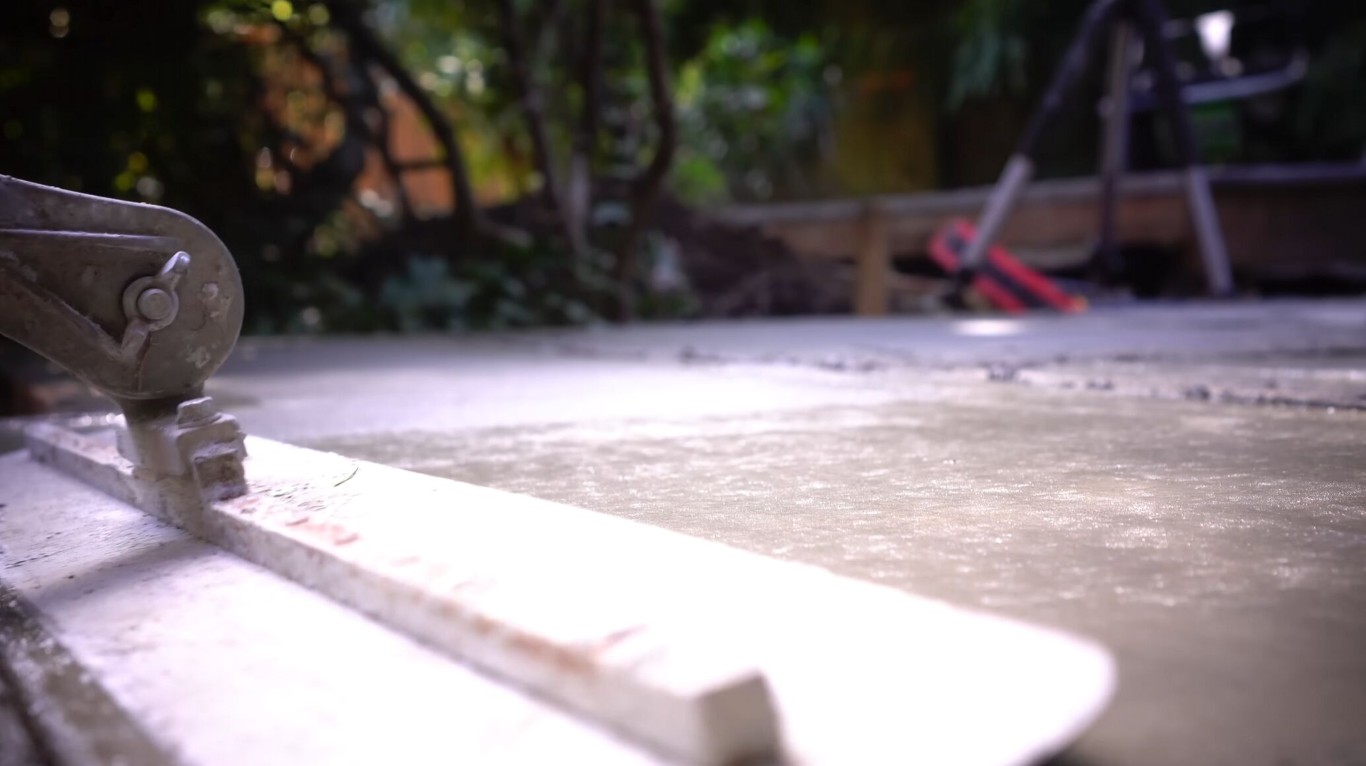
Garage Floors & Epoxy
Professional floor coatings that protect and beautify.
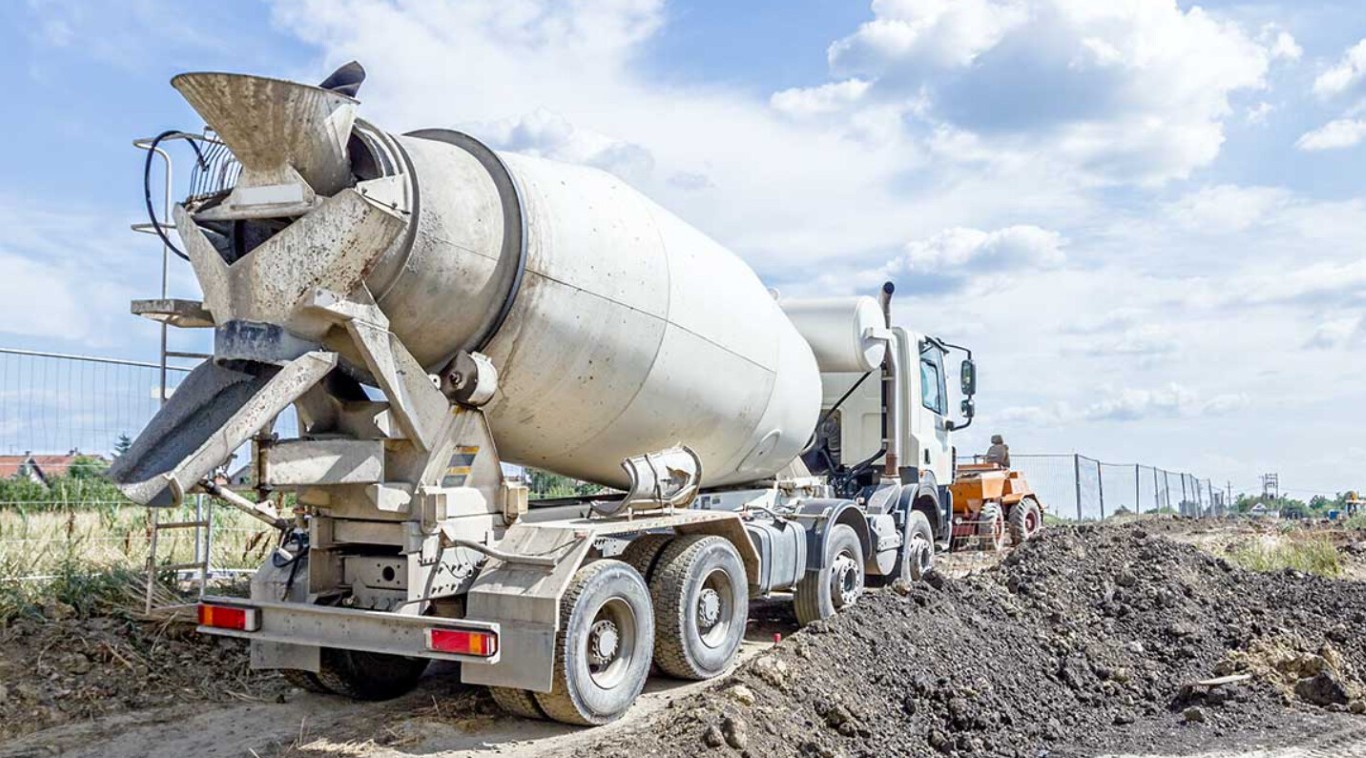
Commercial Concrete
Large-scale projects for businesses and property managers.
Concrete Solutions for Shingle Springs Properties
Shingle Springs sits at the transition between the valley and the true Sierra foothills, which creates interesting challenges for concrete work. Properties here range from relatively flat parcels near the commercial areas along Highway 50 to steep hillside lots in neighborhoods like Wild Chaparral and Stonebriar. Each property type requires different approaches to concrete installation.
The soil in Shingle Springs tends to be rocky with layers of decomposed granite mixed with clay. This composition actually provides better natural drainage than pure clay, but it makes excavation more difficult and expensive. We often encounter large rocks during excavation that need to be removed or broken up before we can install proper base material. This extra work isn't always visible in the finished project, but it's essential for long-term durability.
Many properties in Shingle Springs were developed in the 1980s and 90s as bedroom communities for people working in Sacramento or Folsom. These homes often have original driveways that are now showing their age. We replace dozens of these driveways every year, and homeowners are often surprised by how much larger modern vehicles are compared to the cars from 30 years ago. We typically widen driveways during replacement to accommodate today's trucks and SUVs.
The growing commercial corridor along Highway 50 near the Cameron Park border has different needs. These businesses require commercial-grade concrete work that handles heavy vehicle traffic and meets current accessibility standards. We've completed parking lot expansions, loading dock repairs, and new construction foundations for several Shingle Springs businesses. These projects need to be scheduled carefully to minimize disruption to ongoing operations.
Popular Projects in Shingle Springs Neighborhoods
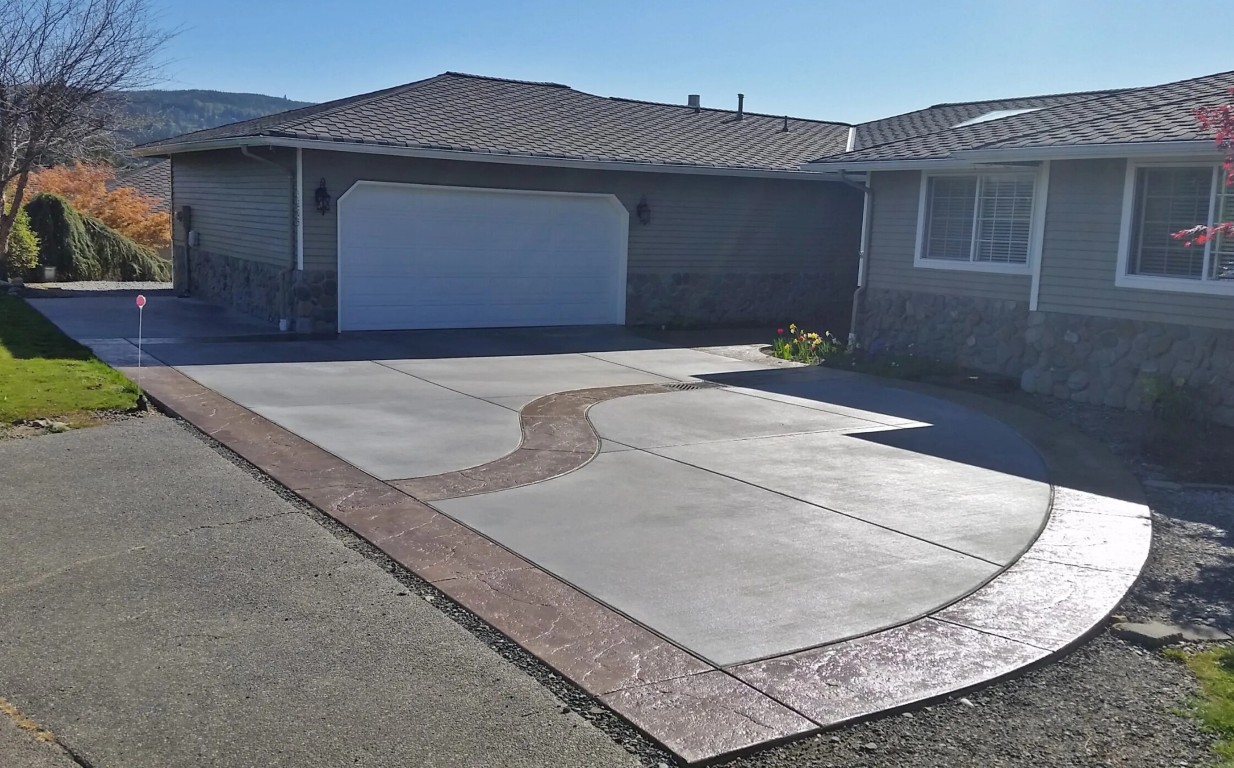
Driveways are our most requested service in Shingle Springs, but they're not simple flat slabs like you'd pour in the valley. Most Shingle Springs driveways navigate at least some slope, and properties in the hillier neighborhoods often have driveways with 12-15% grades or steeper. These sloped installations require special attention to prevent the wet concrete from sliding downhill during the pour and proper joint placement to manage the stresses that develop as the slab settles.
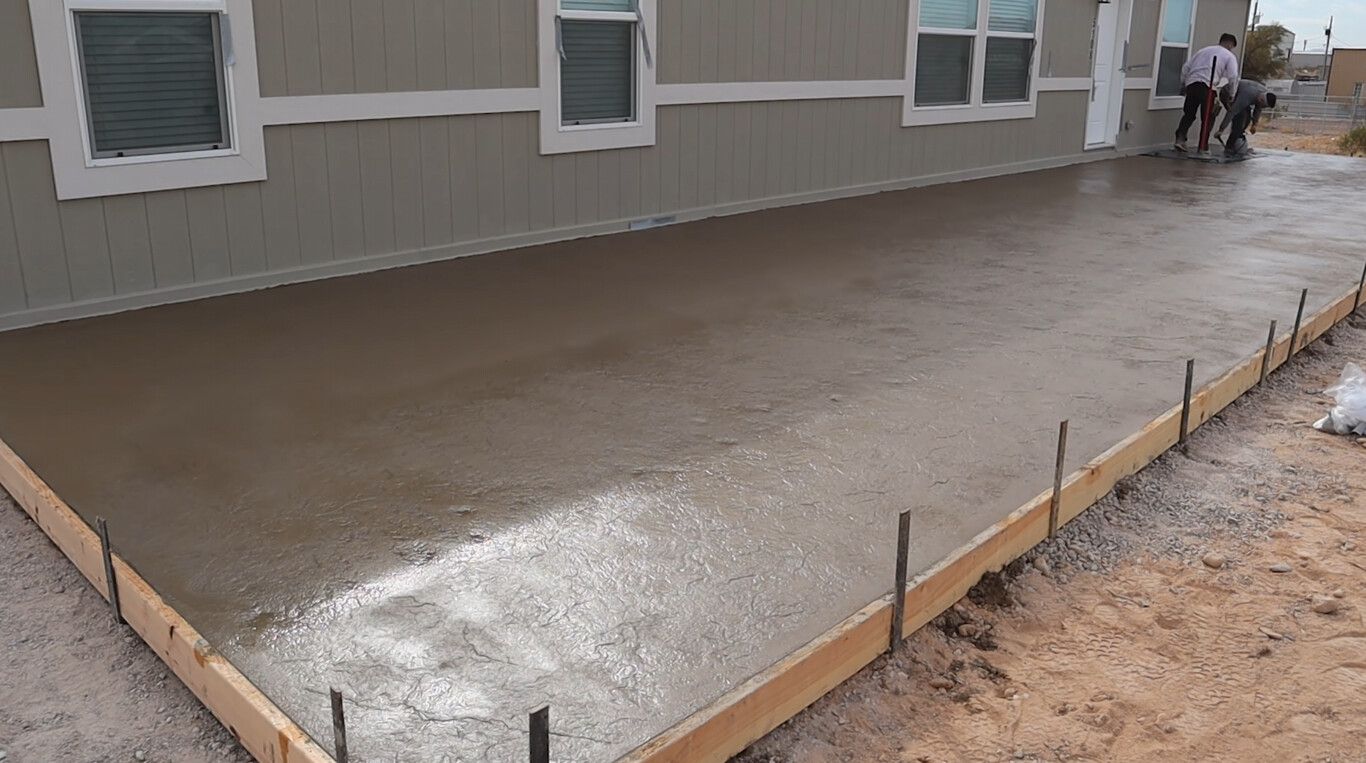
Patio installations have become increasingly popular as homeowners look to maximize their outdoor living space. The hillside views in Shingle Springs are spectacular, and a well-designed patio lets you enjoy those views comfortably. These projects often involve more than just pouring concrete. We typically need to do significant grading work, install retaining walls to create level areas, and design drainage systems that handle runoff from uphill. The result is a functional outdoor space that looks natural on the hillside.
RV parking pads are another common request. Many Shingle Springs residents own RVs, boats, or trailers, and they want dedicated parking areas that keep these vehicles off their main driveways. We pour reinforced slabs designed to support the concentrated weight of RV leveling jacks and provide proper drainage so these parking areas don't become mud pits during winter. These pads need to be thicker and stronger than standard residential driveway concrete.
Foundation work for sheds, workshops, and detached garages has increased as more people work from home and need dedicated spaces for hobbies or businesses. We pour level concrete slabs that provide solid foundations for these structures, with proper moisture barriers and perimeter drainage to prevent water intrusion. These projects require coordination with the building department for permits and inspections.
Our Process
Every Shingle Springs concrete project follows our proven three-step process. This structured approach ensures consistent quality whether we're working on a small residential walkway or a large commercial parking area.
Free Consultation and Quote
We visit your Shingle Springs property to evaluate the site conditions and discuss your project goals. We'll assess the slope, check soil conditions, verify access for our concrete trucks, and identify any challenges that need to be addressed. You'll receive a detailed written quote that explains exactly what we'll do, what materials we'll use, and how much it will cost. We break down all expenses so you understand where your money goes.
Ready to discuss your Shingle Springs concrete project?
Call (530) 430-1838Working with Hillside Properties
Hillside concrete work in Shingle Springs requires different techniques than flat-ground installations. When you're working on a 10-15% slope, gravity becomes a significant factor. The wet concrete wants to flow downhill, which means we need to use stiffer mixes and special forming techniques to keep everything in place until the concrete sets.
We build our forms extra-strong for sloped driveways because they have to hold back significant pressure from the wet concrete. A cubic yard of concrete weighs over 4,000 pounds, and when it's on a slope, that weight creates pressure against the lower form boards. We brace these forms extensively and use thicker lumber than would be necessary for a flat installation. This extra bracing comes out before we finish the concrete, but it's critical during the pour.
Drainage design is particularly important on hillside properties. We need to direct water off the concrete surface without creating erosion problems in your landscaping or sending water toward your foundation. This often means installing drainage swales alongside driveways, adding catch basins at low points, or creating channels that direct water to appropriate discharge locations. We design these drainage features during the planning phase so they're integrated into the overall project.
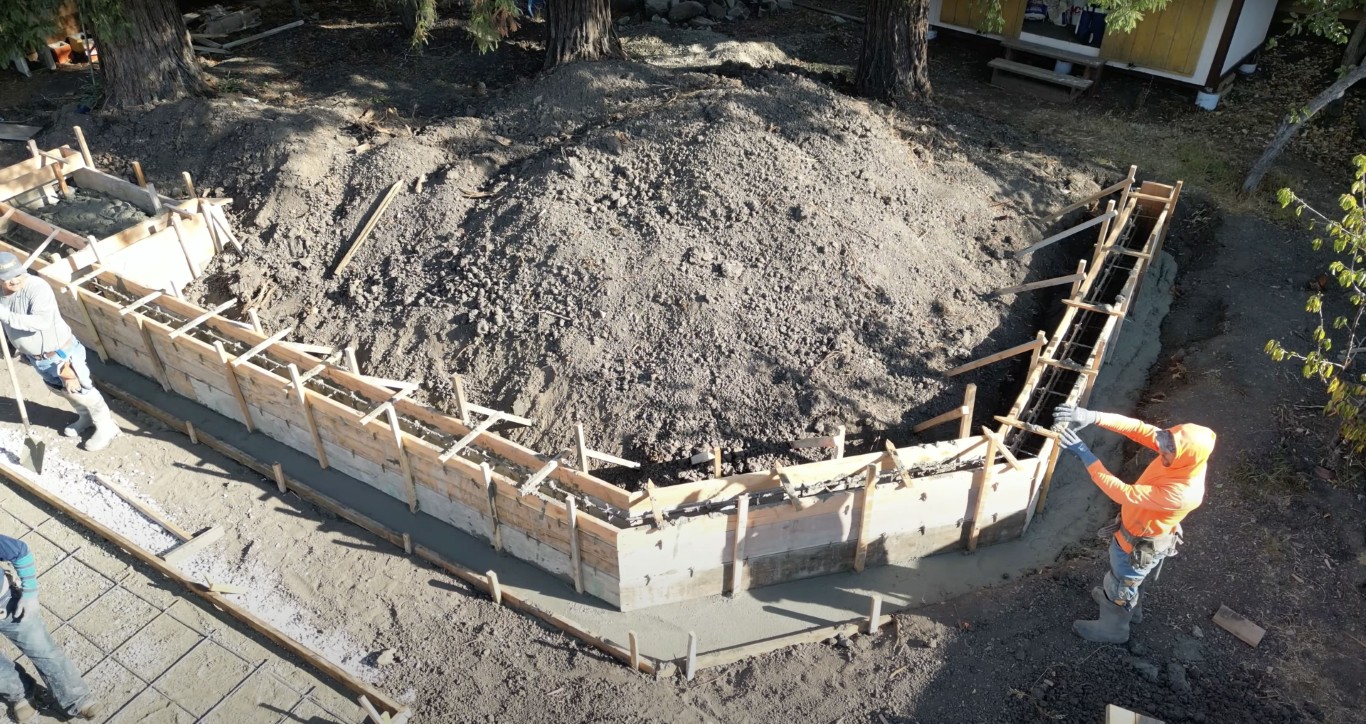
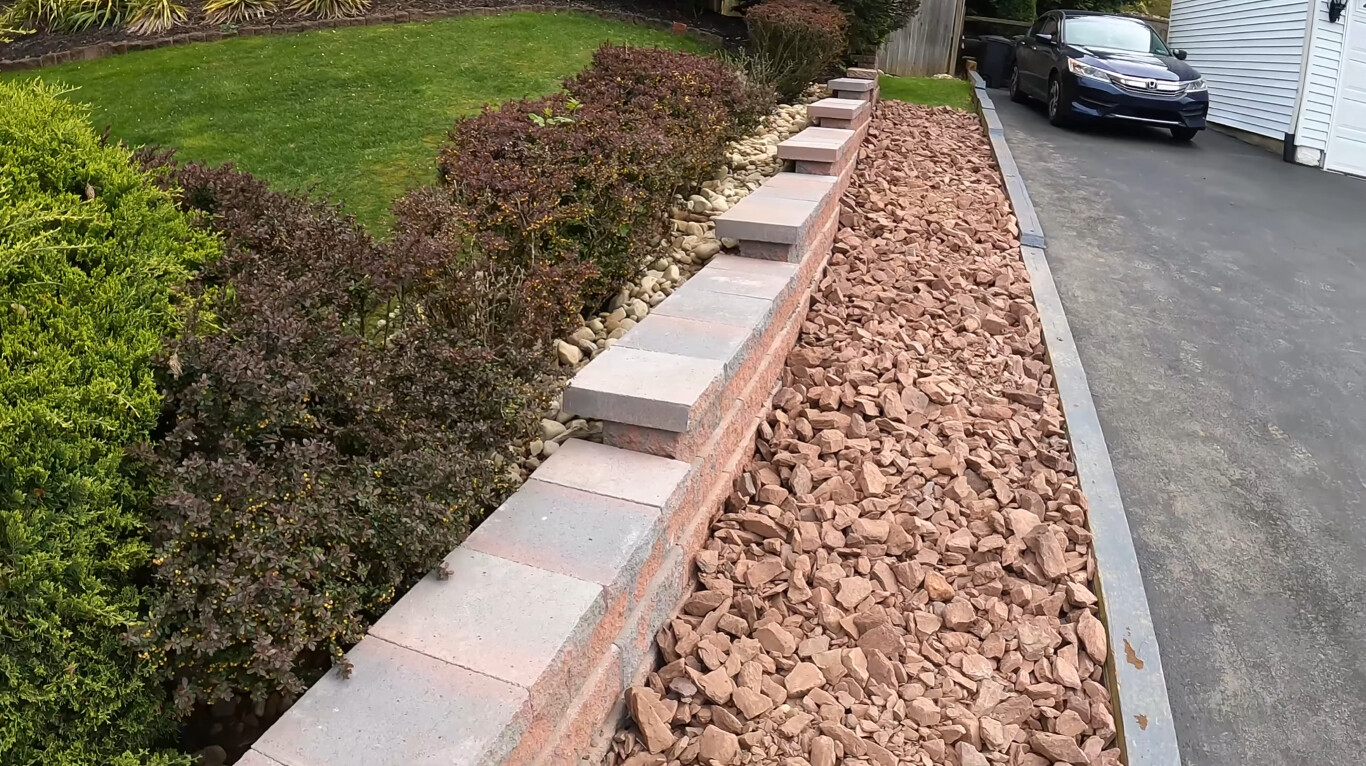
Many hillside properties need retaining walls as part of the concrete installation. These walls create level areas for driveways or patios and prevent soil from sliding downhill. We design retaining walls to handle both the weight of the soil behind them and any additional loads from vehicles or structures above. Proper drainage behind retaining walls is essential because saturated soil weighs significantly more than dry soil and can push walls over if drainage isn't adequate.
Seasonal Considerations for Shingle Springs Concrete
The best time to pour concrete in Shingle Springs is spring through fall when temperatures are moderate and rain is less likely. Concrete needs temperatures above 50 degrees to cure properly, and it can't be exposed to rain for the first few hours after finishing. Our busiest season runs from April through October when weather conditions are most predictable.
Summer pours require special attention because hot weather accelerates the curing process. When temperatures exceed 90 degrees, concrete can begin to set before we finish placing and finishing it. We schedule summer pours for early morning when it's cooler, use ice in the concrete mix to lower its temperature, and work with larger crews so we can place and finish the concrete quickly. We also apply curing compounds immediately after finishing to prevent rapid moisture loss that can cause surface cracking.
Winter concrete work is possible in Shingle Springs, but it requires extra precautions. We can't pour when temperatures are forecast to drop below freezing within 24 hours of the pour, and we need to protect fresh concrete from frost damage. For winter projects, we use accelerating admixtures that help the concrete gain strength faster and cover the fresh concrete with insulating blankets overnight. These winter pours cost more due to the extra materials and labor involved.
The rainy season from November through March makes concrete work challenging. We monitor weather forecasts closely and won't pour if rain is likely during or shortly after the pour. Once concrete has cured for several days, rain won't damage it, but fresh concrete can be ruined by even a light sprinkle. If you need concrete work during winter, we'll schedule it during breaks in the weather and have backup plans ready if conditions change.