
Concrete Contractor serving Rescue, CA
Providing expert concrete services to homes and properties throughout Rescue. Whether you're in Green Valley, near Bass Lake, or anywhere in this scenic foothill community, we bring professional concrete solutions that work with your property's unique terrain and handle our local weather conditions.
(530) 430-1838Our Services
From residential driveways and patios to commercial projects and agricultural concrete, we provide complete concrete services throughout Rescue. Our experience with the local terrain and soil conditions ensures quality installations that last.
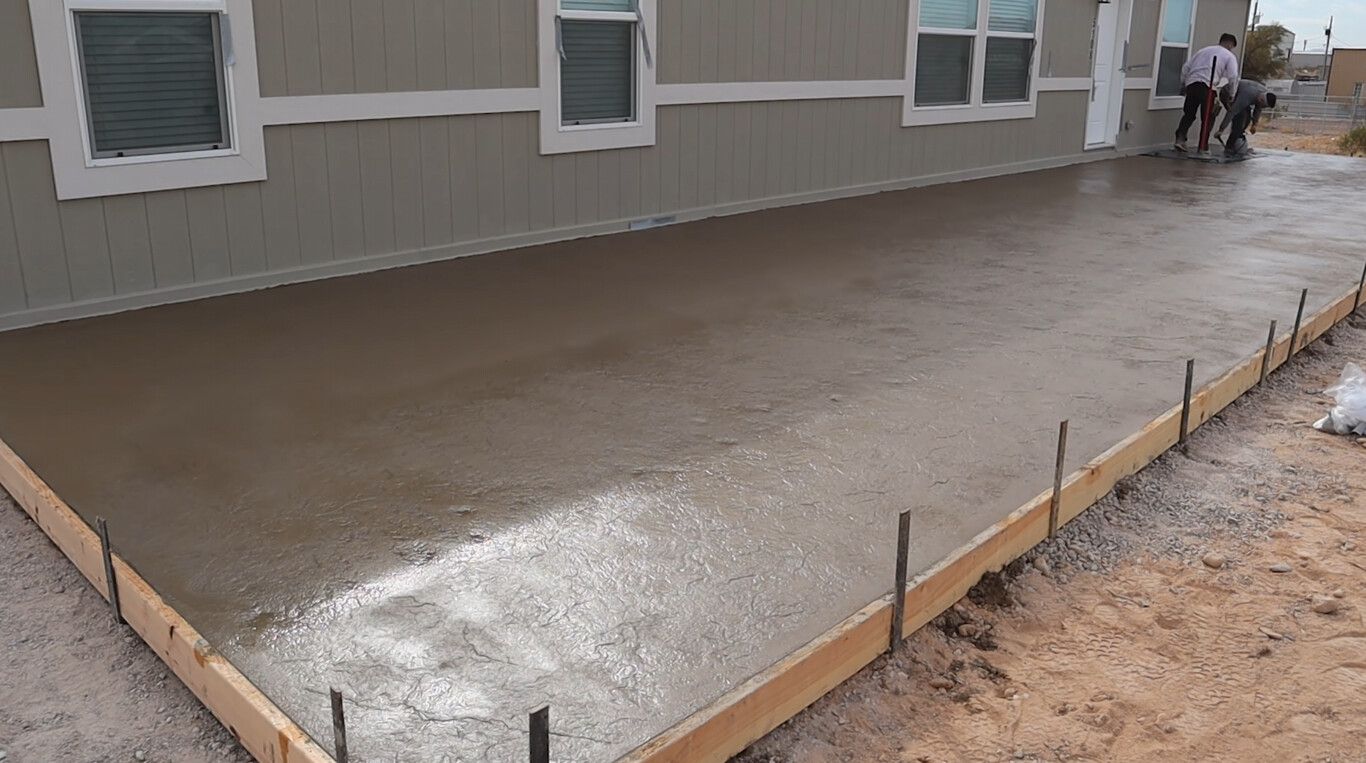
Concrete Patios
Custom outdoor living spaces designed for your lifestyle.
Concrete Driveways
Durable driveways built to last for decades.
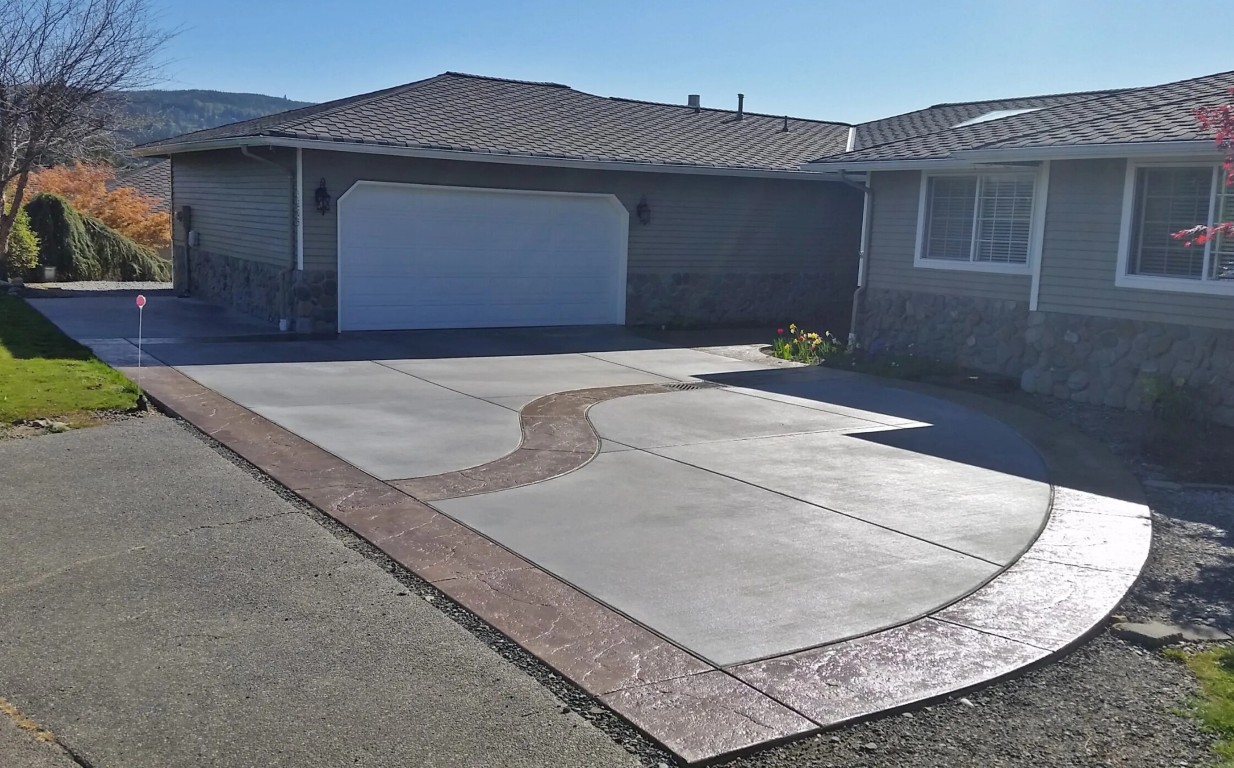
Stamped & Decorative Concrete
Beautiful patterns and colors that enhance your property.
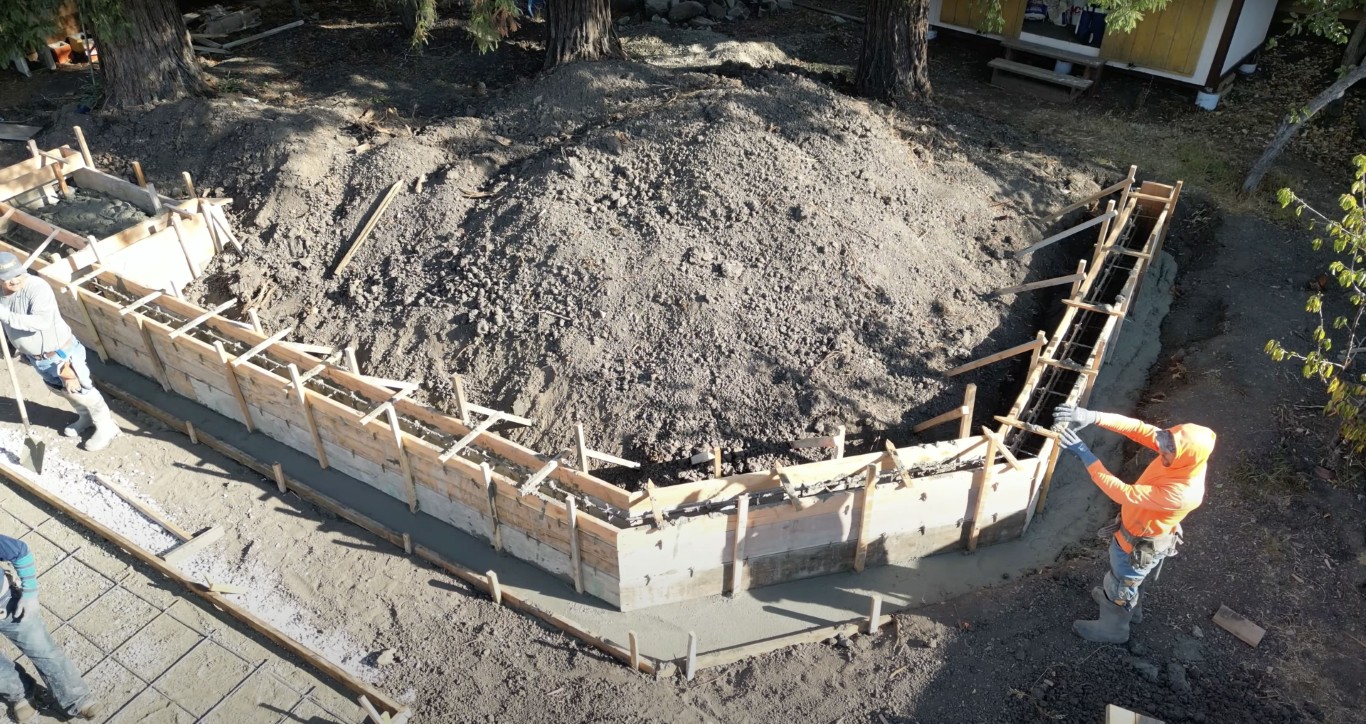
Concrete Slabs & Foundations
Solid foundations for sheds, garages, and new construction.
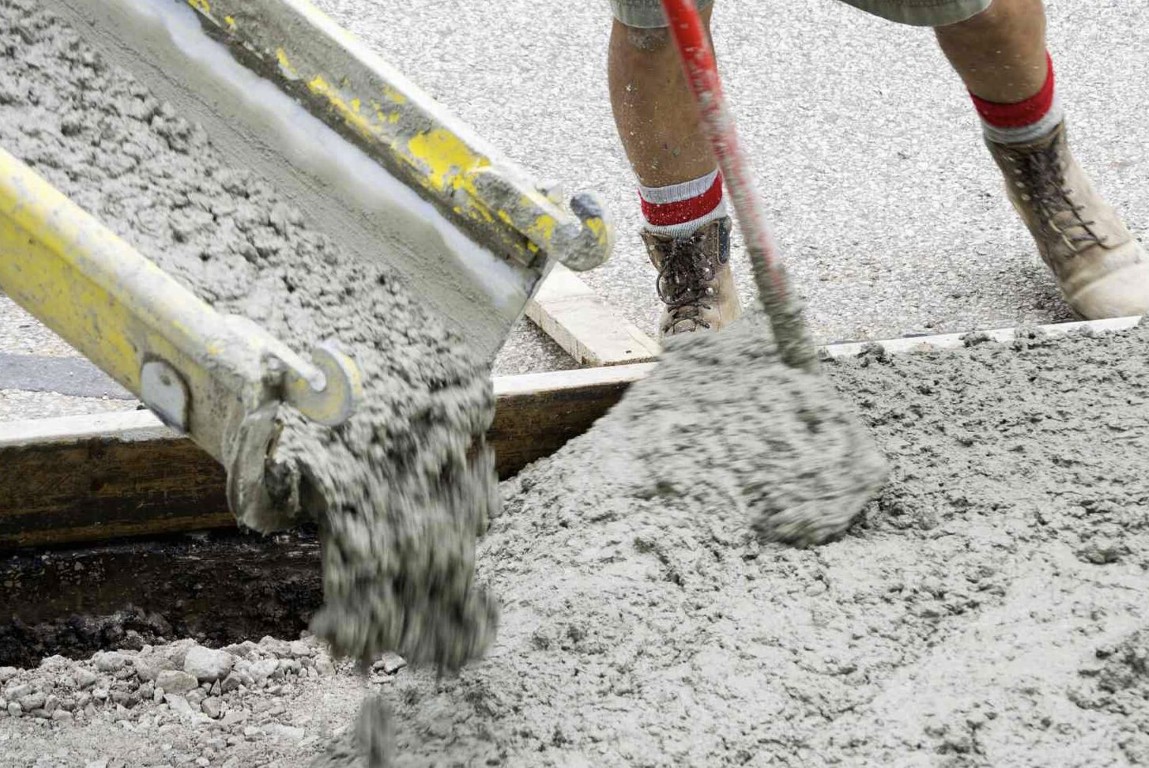
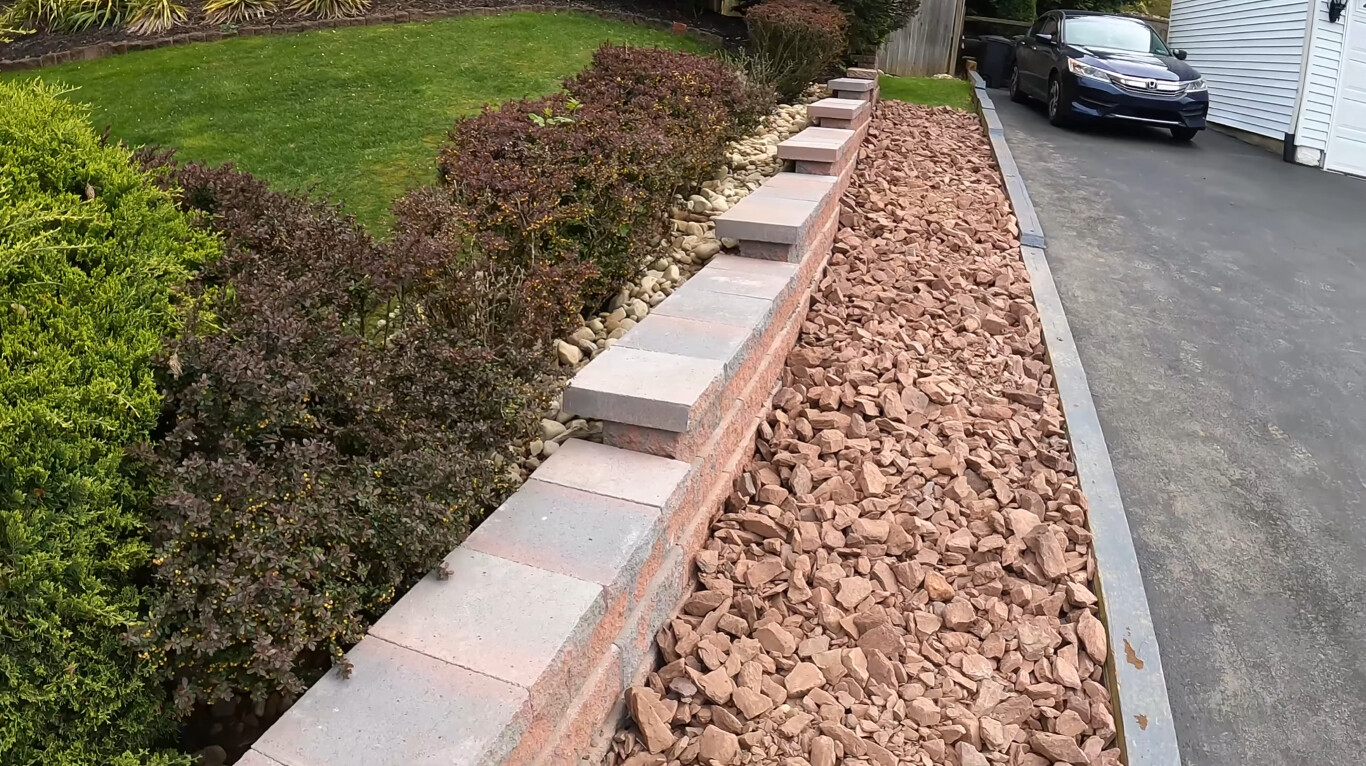
Retaining Walls
Structural walls that prevent erosion and create usable space.
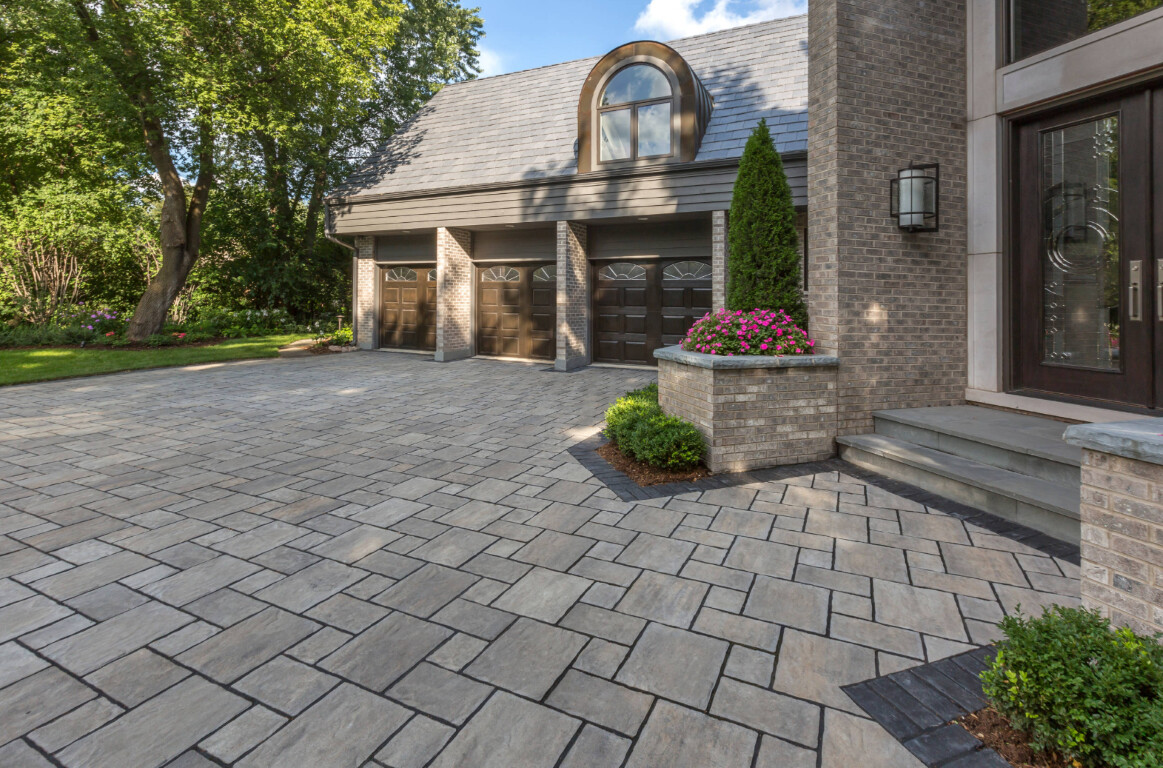
Sidewalks & Walkways
Safe, attractive pathways for your home or business.
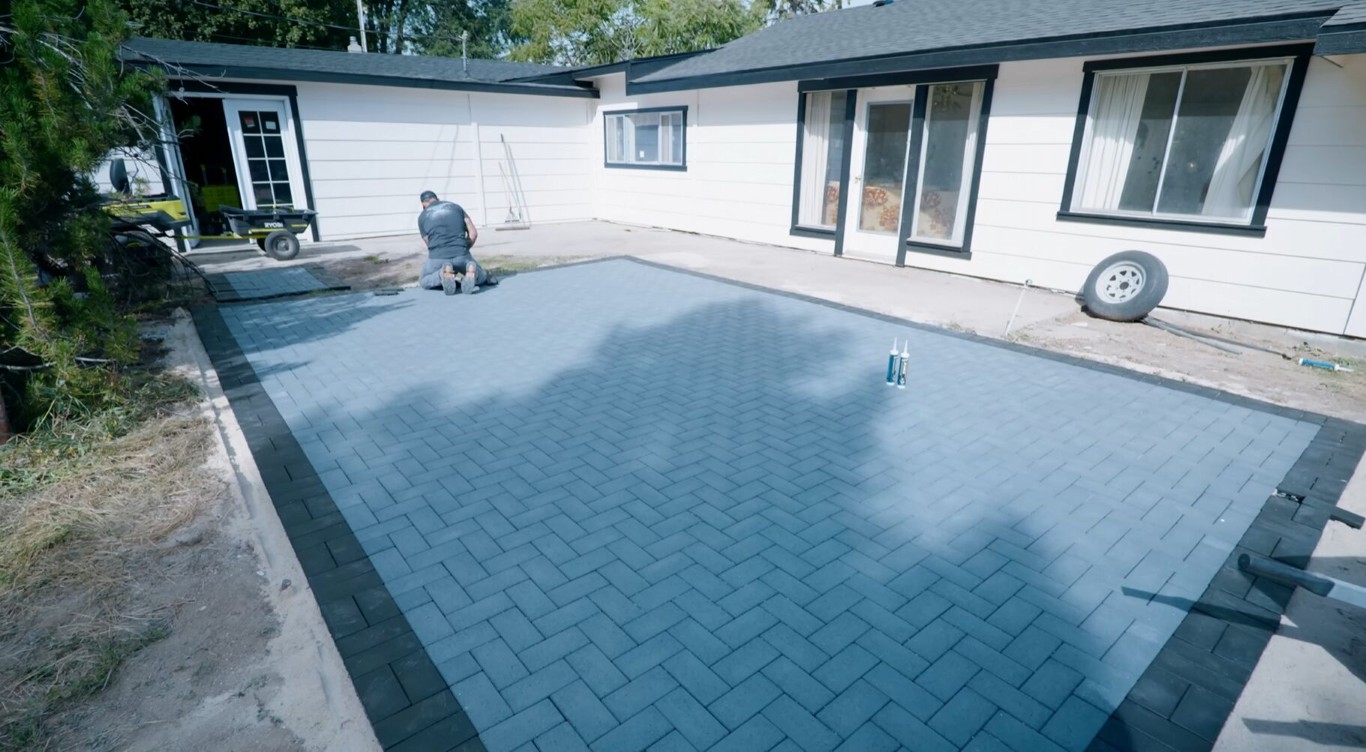
Pool Decks
Slip-resistant surfaces perfect for poolside safety and style.
Steps & Stairs
Custom concrete steps built for safety and curb appeal.
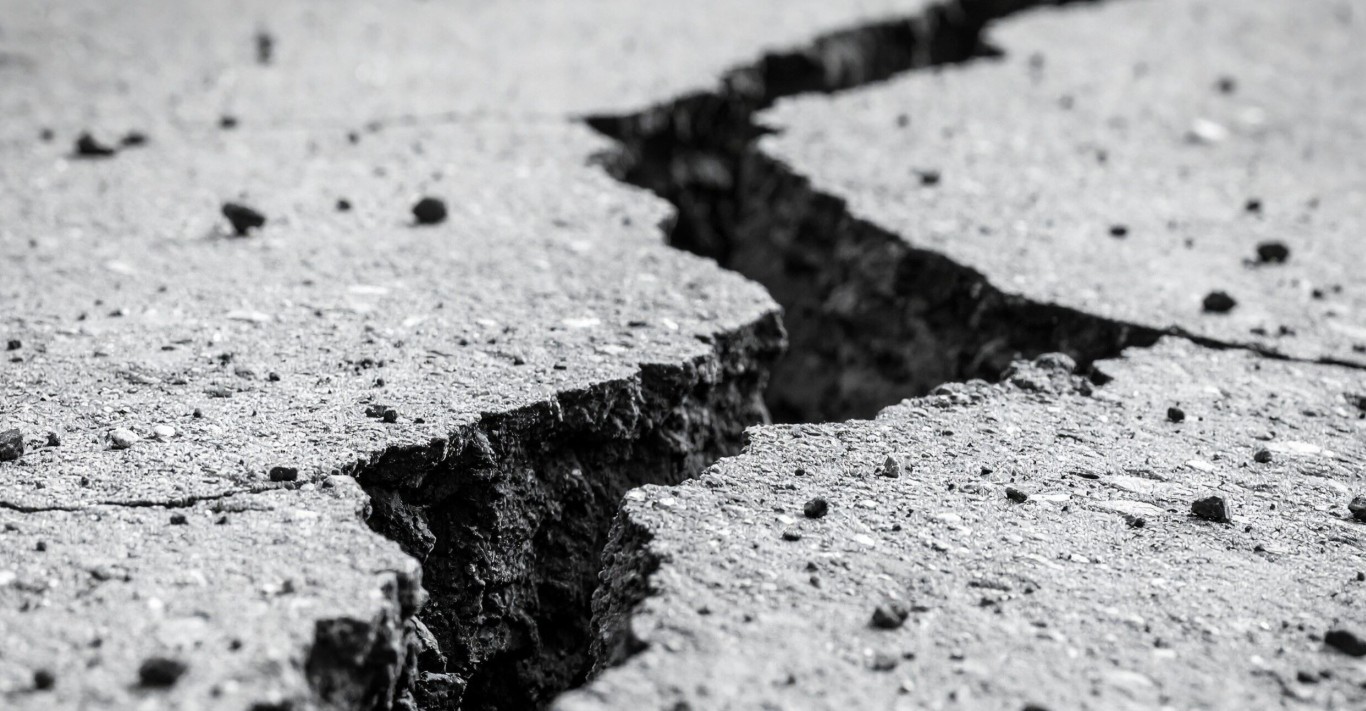
Concrete Repair
Fix cracks, settling, and damage before it gets worse.
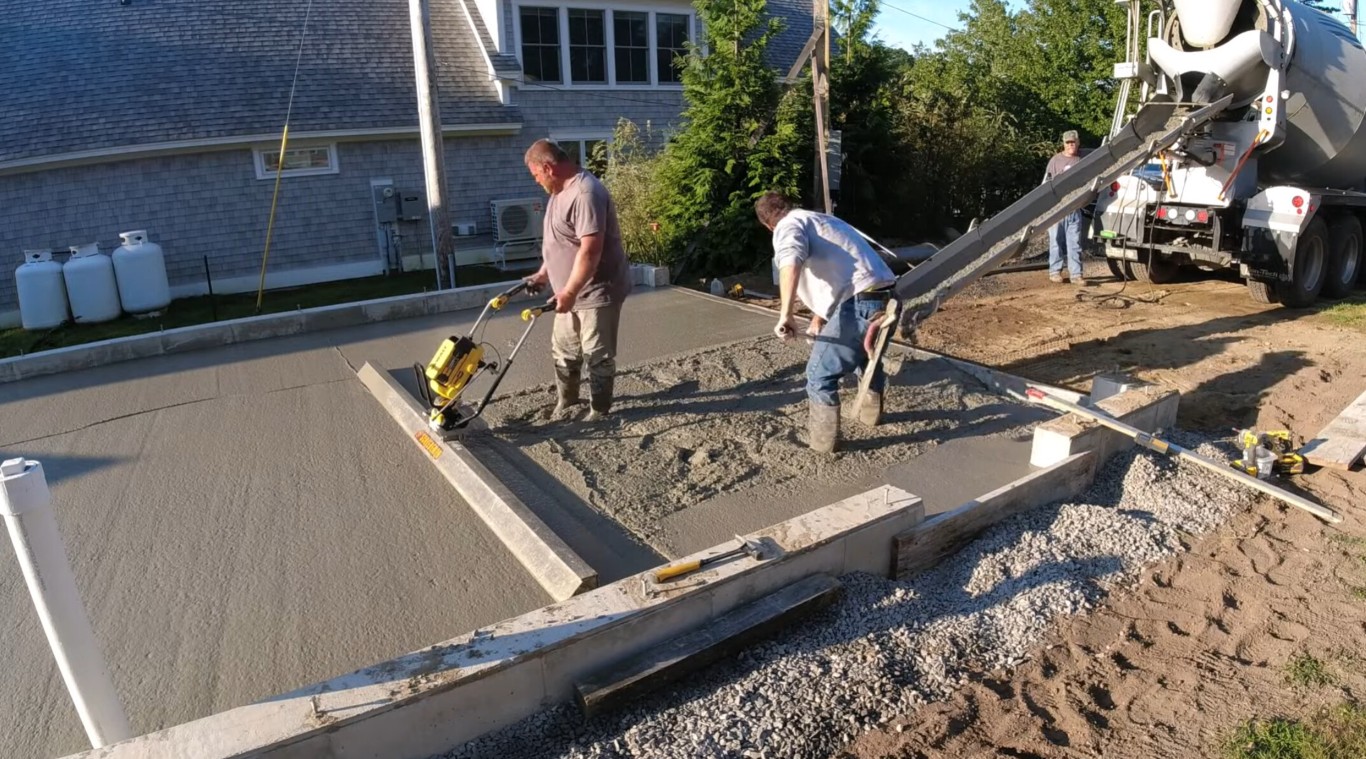
Concrete Leveling
Lift sunken slabs without the cost of full replacement.
Garage Floors & Epoxy
Professional floor coatings that protect and beautify.
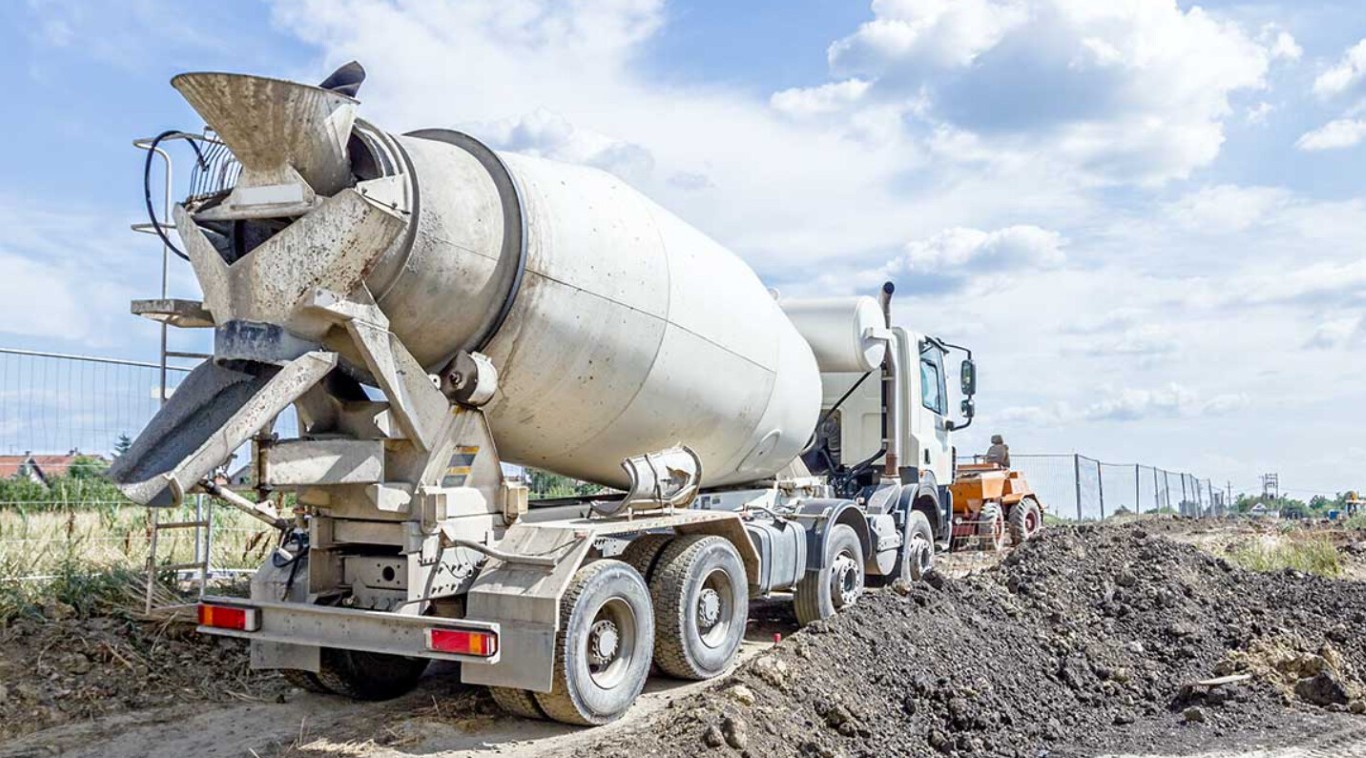
Commercial Concrete
Large-scale projects for businesses and property managers.
Understanding Rescue's Unique Concrete Needs
Rescue sits in the heart of El Dorado County's foothill region, where properties combine beautiful views with challenging terrain. The community spans from the flatter areas near Green Valley Road to the more rugged hillsides that offer those coveted Sierra foothill views. This variety in topography means concrete projects here require careful planning and expertise with sloped installations.
The soil throughout Rescue tends to be a mix of decomposed granite and clay, which creates specific challenges for concrete work. During our dry summers, this soil becomes hard and stable. But when winter rains saturate the ground, the clay component expands and can shift, putting pressure on concrete slabs from below. We address this by excavating deeper than minimum requirements, installing proper drainage, and using well-compacted aggregate base that won't shift with seasonal moisture changes.
Many homes in Rescue were built in the 1970s and 80s during the area's initial development, and we frequently work on properties updating or replacing original concrete installations. These older driveways and patios often lack the proper base preparation and reinforcement that's standard today. When we replace failing concrete, we use current best practices that ensure your new installation will outlast the original by decades.
The area near Bass Lake and the residential neighborhoods throughout Rescue feature a mix of property sizes. Some homes sit on quarter-acre lots similar to suburban developments, while others occupy multi-acre parcels with longer driveways and more extensive concrete needs. We scale our approach to match your property, whether that's a simple residential driveway replacement or a complex project involving multiple concrete elements across a large parcel.
Most Common Projects in Rescue
Driveway replacement is our most frequent project type in Rescue. The combination of age and weather exposure means many driveways from the 70s and 80s are reaching the end of their useful life. These driveways often show multiple cracks, areas where the concrete has settled unevenly, and edges that have broken away. While patching can extend the life of damaged concrete temporarily, there comes a point where replacement is the more cost-effective solution.
When we replace old driveways, homeowners often take the opportunity to make improvements. We widen narrow driveways to accommodate modern trucks and SUVs, extend them to create additional parking, or reconfigure layouts to improve traffic flow and turning radius. These upgrades add functionality while we're already doing the work of removing the old concrete and preparing the site.
Patio installations are increasingly popular as Rescue homeowners invest in outdoor living spaces. The foothill climate is perfect for outdoor entertaining, and a well-designed patio extends your usable living area significantly. On sloped lots, these projects often require retaining walls or terracing to create level areas. We design these installations to work with your property's natural contours while providing functional spaces that you can actually use.
We also handle numerous projects for property owners adding workshops, sheds, or accessory structures. These buildings need solid concrete foundations that provide level bases and protect against moisture intrusion. We pour these slabs with proper vapor barriers underneath and adequate thickness to support the structure above. For workshop floors, many clients choose to add epoxy coatings that protect the concrete and create easy-to-clean surfaces.
Our Process
Every concrete project in Rescue follows our proven three-step process. This structured approach ensures consistent results and helps avoid the common problems that lead to premature concrete failure.
Free Consultation and Quote
We start with an on-site visit to your Rescue property. This allows us to see the actual conditions rather than guessing based on descriptions or photos. We evaluate slope, drainage, soil type, and access for equipment. We'll discuss what you want to accomplish, explain different material options and finishes, and identify any challenges specific to your property. You'll receive a detailed written quote that breaks down costs and clearly explains what's included so you can make an informed decision.
Ready to start your Rescue concrete project?
Call (530) 430-1838Handling Slope and Drainage Challenges
Slope is one of the defining characteristics of Rescue properties. Unlike flat valley lots, most properties here have at least some slope, and many homes sit on hillsides with significant elevation changes between the street and the building site. This topography creates both challenges and opportunities for concrete work.
Driveways on sloped lots need special engineering attention. A driveway with a 10-15% grade puts different stresses on the concrete than a flat driveway. The weight of vehicles braking as they descend creates shear forces that can cause the concrete to crack if it's not properly reinforced. We address this by increasing concrete thickness on steep sections, adding extra reinforcement, and placing control joints strategically to manage where cracks form.
Drainage design becomes critical on sloped properties because water naturally flows downhill. If your driveway or patio doesn't account for this flow, you'll end up with water problems. We design installations that either work with the natural drainage pattern or redirect water to appropriate discharge points. This might mean adding drainage swales alongside driveways, installing catch basins at low points, or creating channels that guide water away from structures and into landscaping or natural drainage courses.
Retaining walls often become necessary on hillside properties to create level areas for patios, driveways, or parking areas. These walls hold back soil and create usable flat spaces on otherwise unusable slopes. We design retaining walls to handle the soil pressure behind them plus any additional loads from vehicles or structures above. Proper drainage behind retaining walls is essential because saturated soil weighs much more than dry soil and can push walls over if water isn't managed correctly.
Maintenance Tips for Rescue Homeowners
Concrete in Rescue faces tough conditions. Summer heat can exceed 100 degrees, which causes concrete to expand. Winter temperatures drop below freezing, making it contract. This constant expansion and contraction creates stresses that can cause cracking over time. Add in our seasonal rainfall and the freeze-thaw cycles we experience during winter, and you have conditions that test concrete durability.
The single most important maintenance step you can take is sealing your concrete. A quality penetrating sealer prevents water from soaking into the concrete, which protects against freeze-thaw damage, staining, and surface deterioration. We recommend sealing driveways and patios every 2-3 years. The cost is minimal compared to repairs or replacement, and sealed concrete stays looking better longer. It's also easier to clean sealed concrete because oil, dirt, and other contaminants don't penetrate the surface.
Address small cracks promptly before they become big problems. Concrete naturally develops some hairline cracks as it cures and ages. These small cracks aren't structural concerns, but they provide entry points for water. During winter, water in these cracks freezes, expands, and makes the cracks larger. What starts as a hairline crack can become a significant problem after several freeze-thaw cycles. We offer crack repair services that seal these openings and prevent damage from progressing.
Keep concrete surfaces clean and clear of debris. Leaves, pine needles, and organic matter hold moisture against the concrete surface, which can cause staining and accelerate deterioration. In Rescue, where oak and pine trees are common, this organic debris accumulates quickly. Regular sweeping or blowing off your concrete surfaces helps prevent these problems. For stubborn stains, pressure washing works well, but use moderate pressure to avoid damaging the concrete surface.