
Concrete Contractor serving Pilot Hill, CA
Serving the rural properties and small ranches throughout Pilot Hill and the surrounding foothill areas. We understand the unique challenges of working in this area, from long driveways on sloped parcels to agricultural concrete needs. Our team brings the right equipment and expertise to your remote property.
(530) 430-1838Our Services
We provide full-service concrete solutions for Pilot Hill properties. From residential driveways and patios to agricultural concrete for barns and equipment pads, we handle projects throughout this rural foothill community.
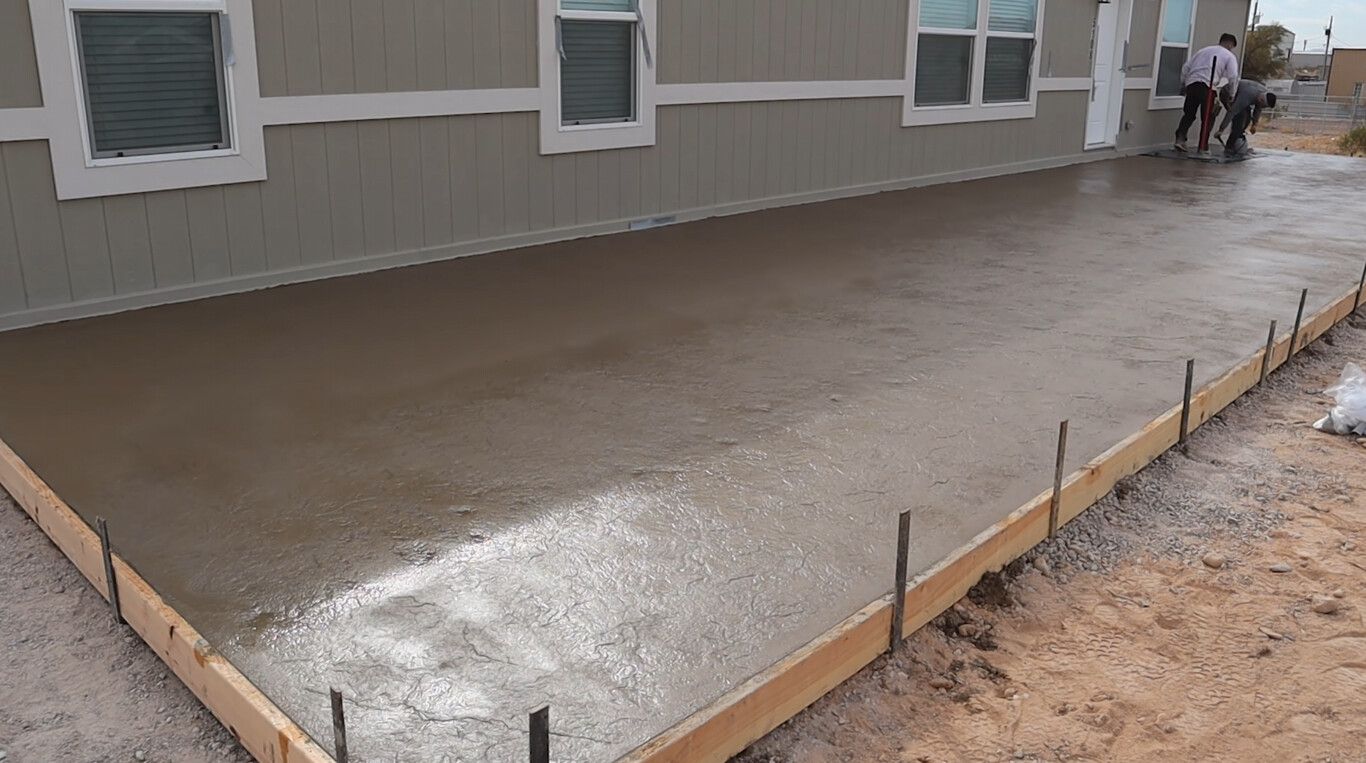
Concrete Patios
Custom outdoor living spaces designed for your lifestyle.
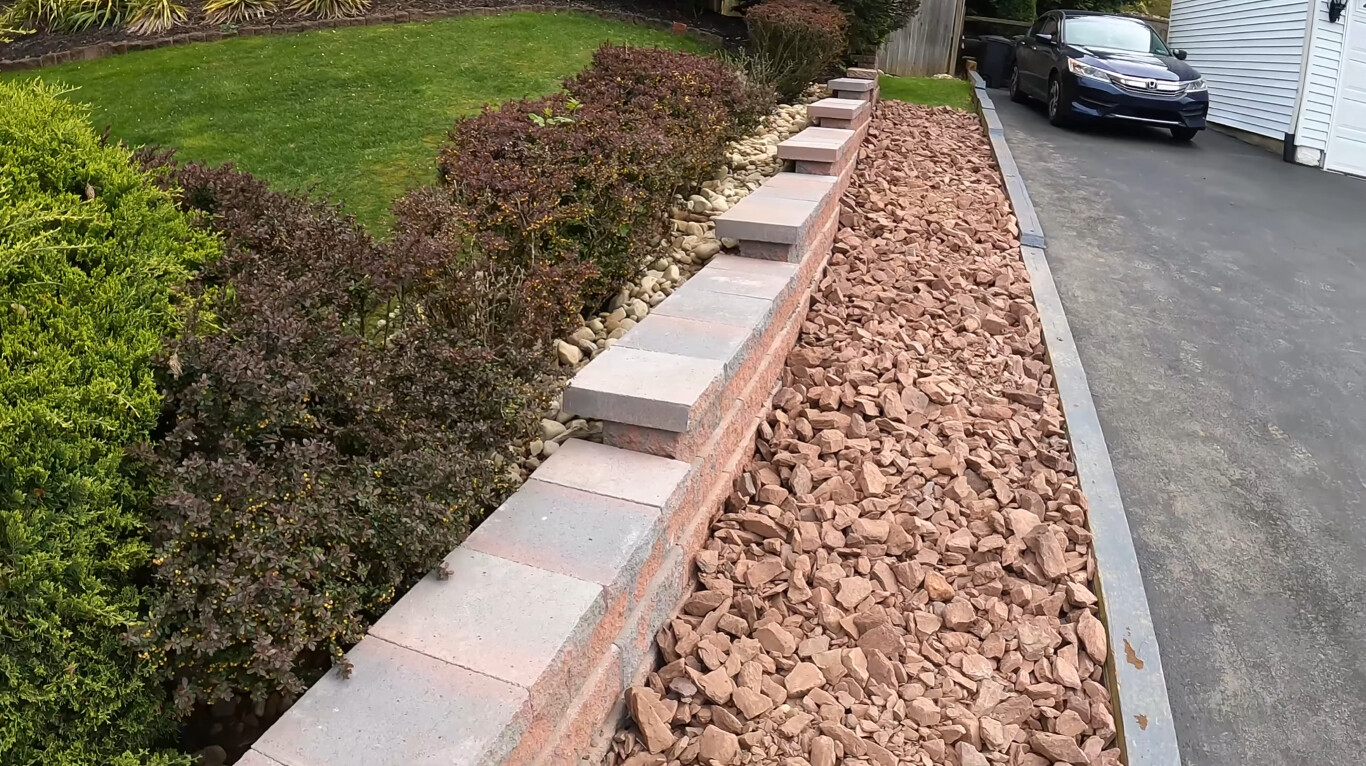
Concrete Driveways
Durable driveways built to last for decades.
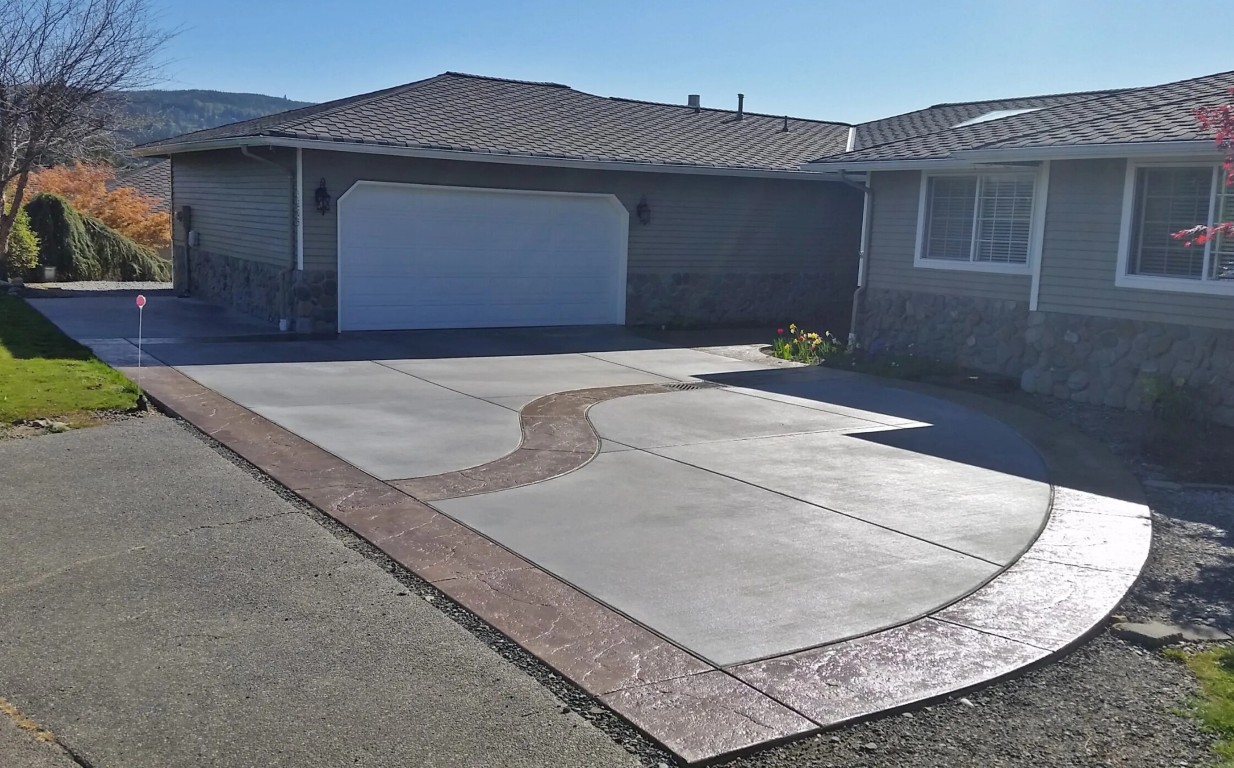
Stamped & Decorative Concrete
Beautiful patterns and colors that enhance your property.
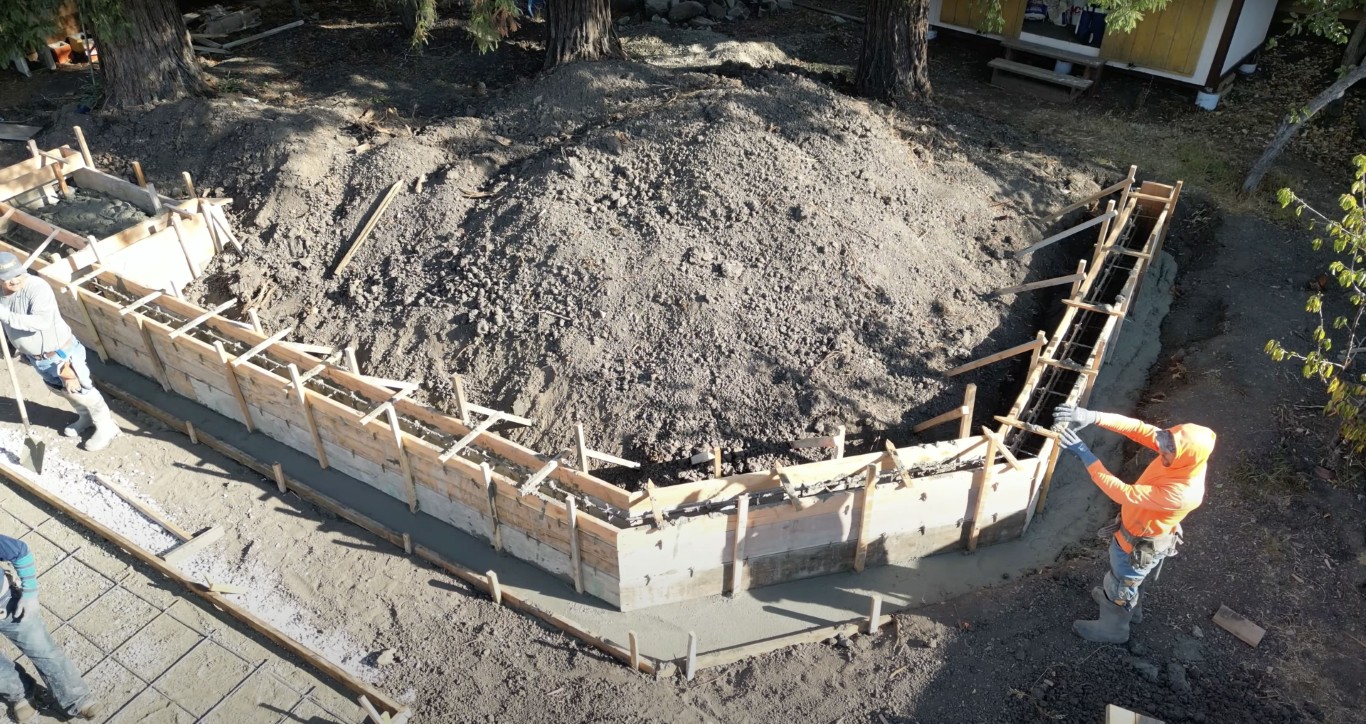
Concrete Slabs & Foundations
Solid foundations for sheds, garages, and new construction.
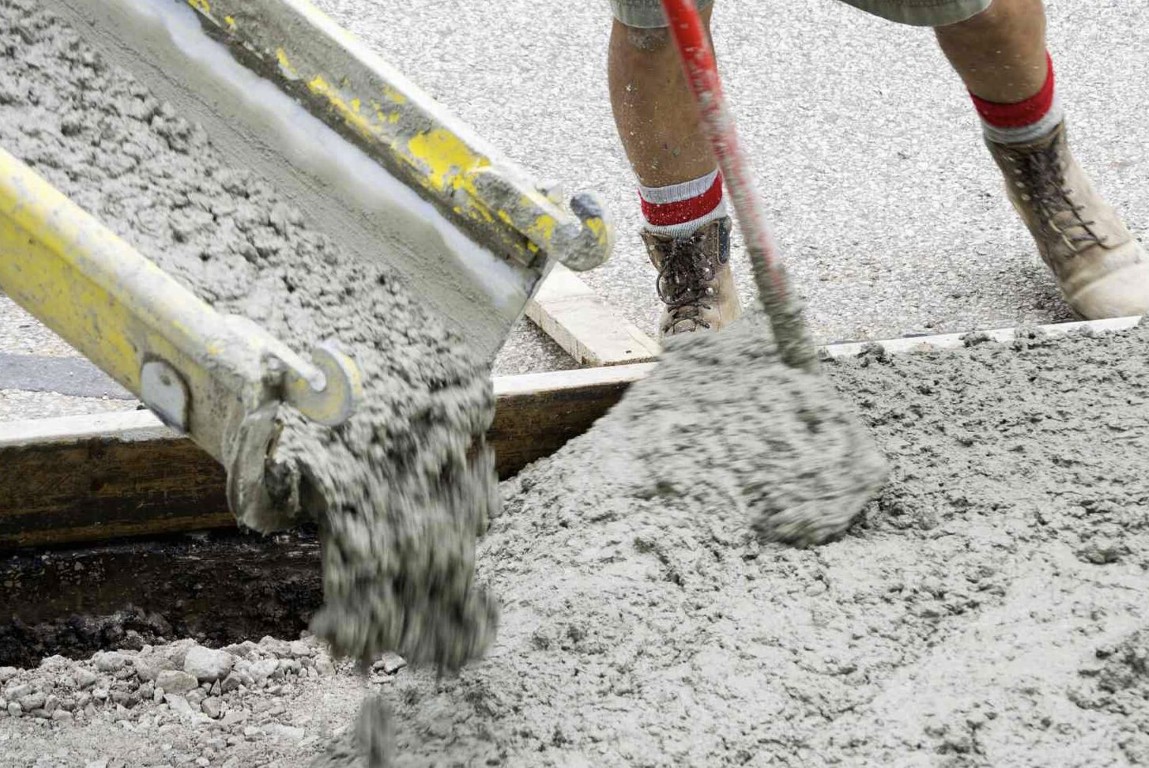
Retaining Walls
Structural walls that prevent erosion and create usable space.
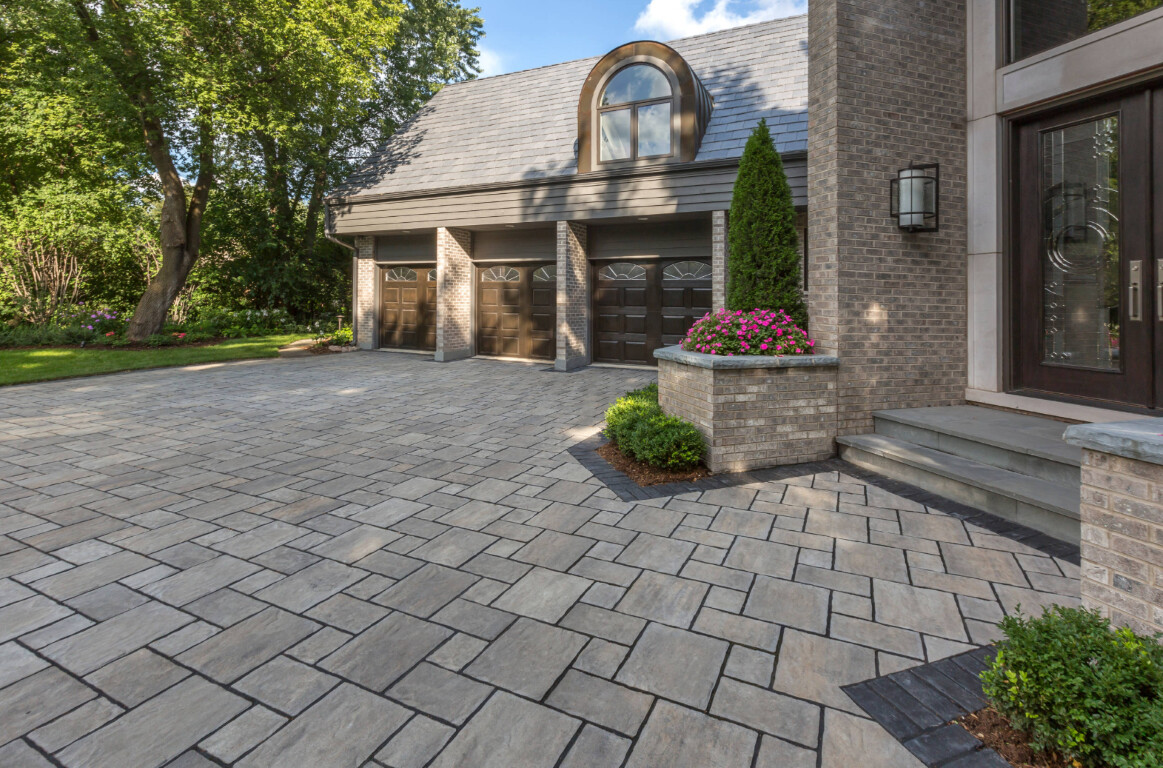
Sidewalks & Walkways
Safe, attractive pathways for your home or business.
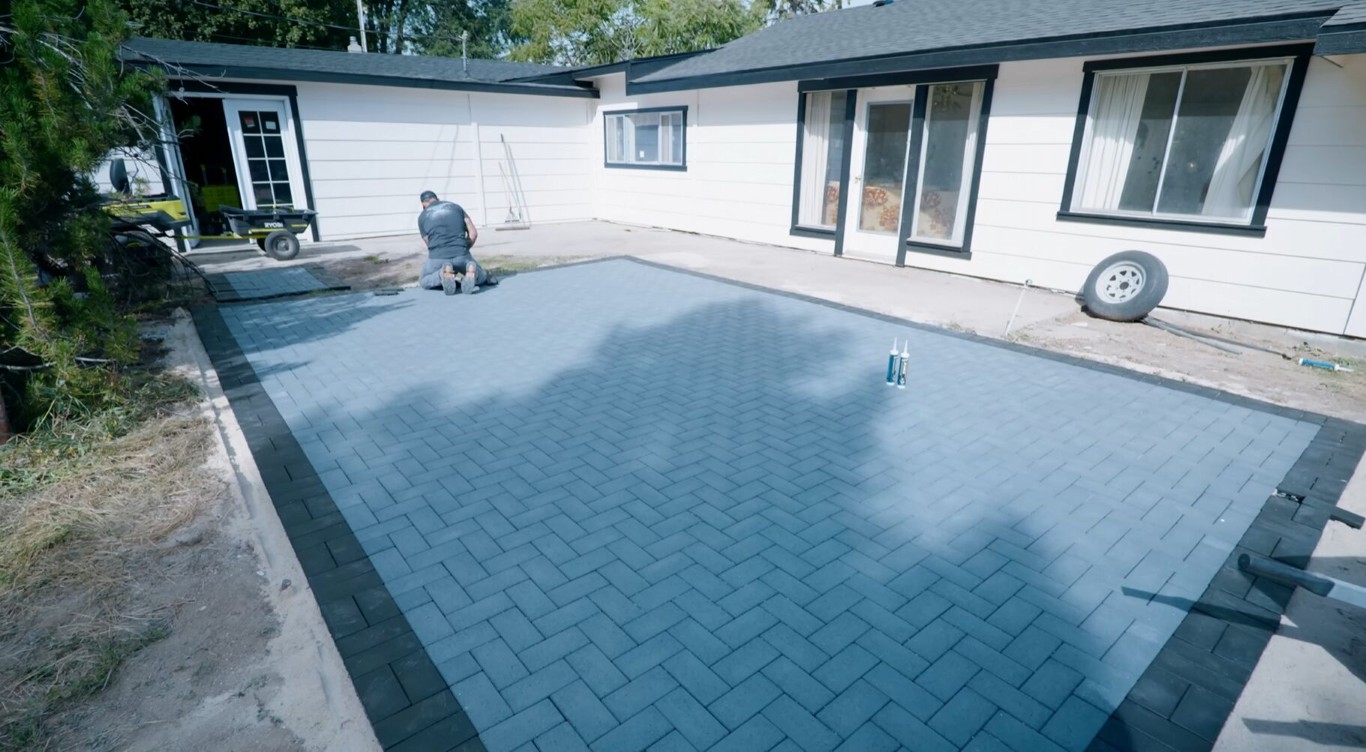
Pool Decks
Slip-resistant surfaces perfect for poolside safety and style.
Steps & Stairs
Custom concrete steps built for safety and curb appeal.

Concrete Repair
Fix cracks, settling, and damage before it gets worse.
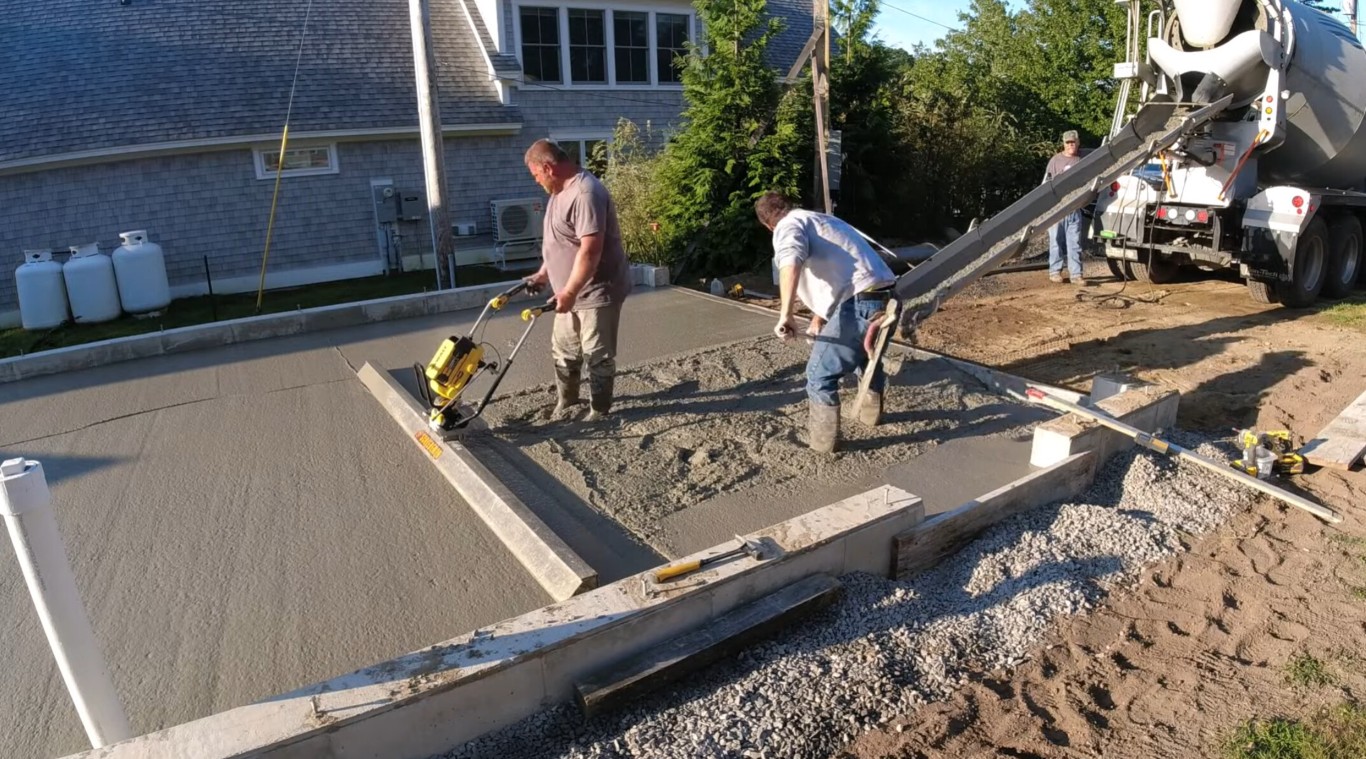
Concrete Leveling
Lift sunken slabs without the cost of full replacement.
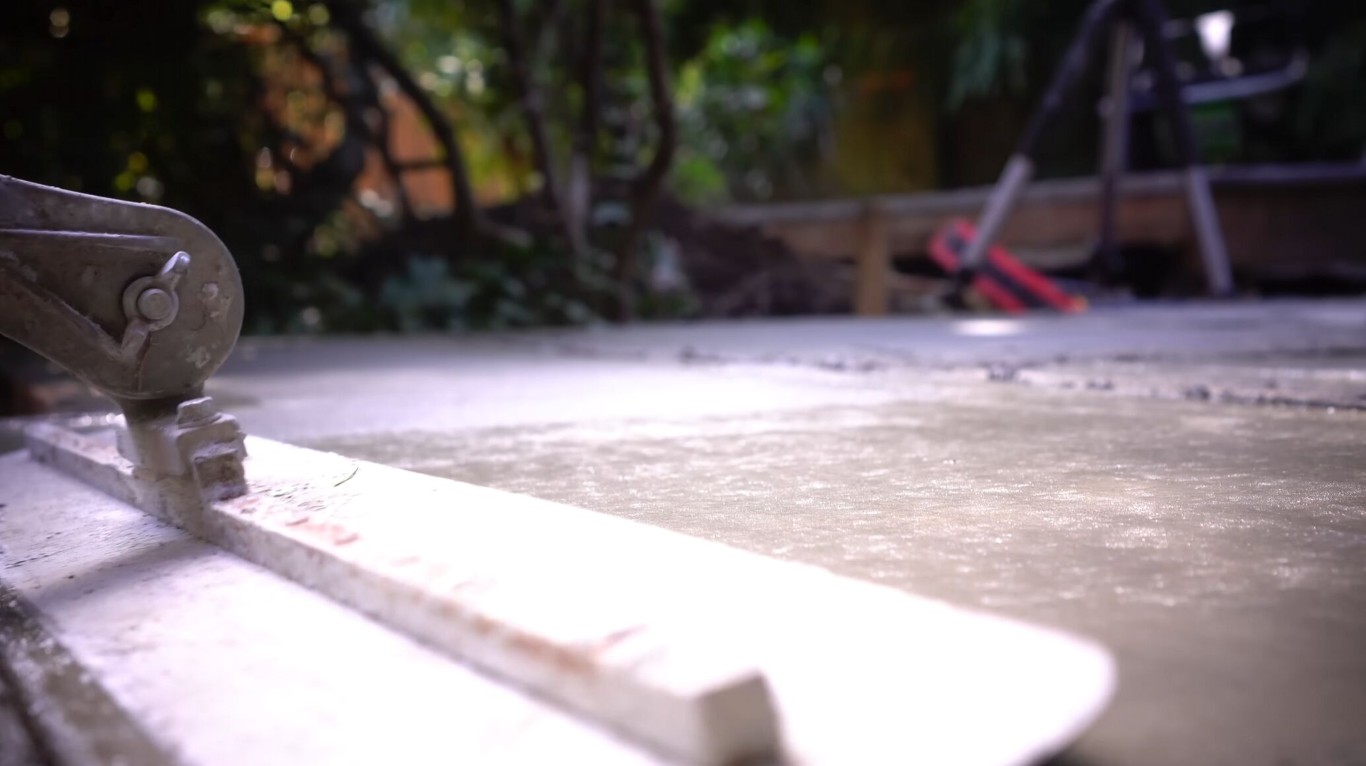
Garage Floors & Epoxy
Professional floor coatings that protect and beautify.
Commercial Concrete
Large-scale projects for businesses and property managers.
Concrete Work in Rural Pilot Hill
Pilot Hill is one of the more rural communities we serve, with large parcels, working ranches, and properties that feel worlds away from suburban development. The concrete needs here differ significantly from what we do in more populated areas. Property owners in Pilot Hill typically need practical, durable installations that serve functional purposes rather than decorative projects.
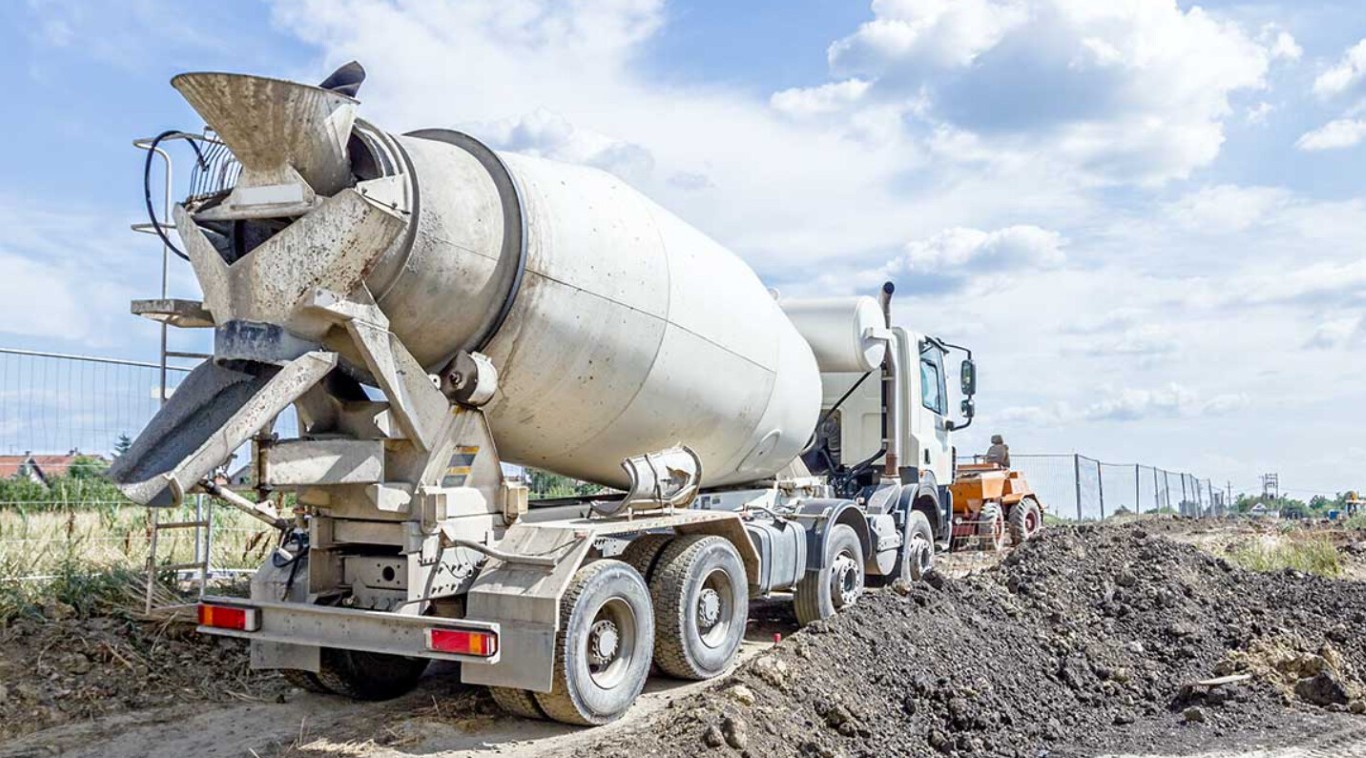
Access is often the first challenge we address. Many Pilot Hill properties sit at the end of long, narrow roads that wind through the hills. Getting concrete trucks to remote locations requires careful planning and sometimes creative solutions. We've poured concrete for properties where we needed to pump the material several hundred feet from where the truck could park. This pumping adds cost but makes it possible to complete projects on properties that would otherwise be inaccessible.
The soil composition in Pilot Hill varies significantly depending on elevation and location. Properties at higher elevations tend to have shallow topsoil over solid bedrock, while lower areas may have deeper soil layers with more clay content. We evaluate soil conditions during the initial site visit because the type of soil determines how deep we need to excavate and what kind of base preparation is necessary. Rocky soil drains better but is harder to excavate, while clay soil requires extensive base work to prevent settling.
Many Pilot Hill properties are used for agricultural purposes, which creates unique concrete requirements. We install barn floors, equipment storage pads, and washdown areas that need to handle heavy machinery and livestock. These installations require thicker concrete with more reinforcement than residential driveways, and they need proper drainage so water doesn't pool where animals are kept or equipment is stored.
Long Driveways and Remote Access
Driveways in Pilot Hill are often measured in hundreds of feet rather than the 30 to 50 feet typical in suburban neighborhoods. These long access roads connect homes to public roads through terrain that can include steep grades, tight curves, and significant elevation changes. Paving these driveways with concrete is a major investment, but one that eliminates the constant maintenance and dust problems that come with gravel roads.
We typically approach long driveway projects in phases. Most property owners start by paving the steepest sections where gravel washes away during winter rains or where the grade makes it difficult to maintain traction. Once these problem areas are addressed, they may return in following years to pave additional sections. This phased approach makes these large projects more affordable and allows property owners to spread the cost over time.
Concrete pumping makes it possible to reach areas our trucks can't access directly. The pump truck parks on stable ground, and we run hoses to the pour location. We've pumped concrete uphill, around curves, and over obstacles to reach remote pour sites. The concrete flows through 4-inch diameter hoses at a controlled rate, which actually gives us better control over placement than trying to maneuver a concrete truck chute in tight spaces.
For extremely long driveways, some property owners choose to pave only the entrance section from the public road and a parking/turnaround area near the house, leaving the middle section as gravel. This provides paved surfaces where they matter most while keeping costs reasonable. We design these partial installations so additional sections can be added later without creating visible joints or elevation mismatches.
Our Process
Working in rural Pilot Hill requires extra planning and preparation. We follow a structured three-step process that accounts for the unique challenges of remote properties and ensures successful project completion.
Free Consultation and Quote
We visit your Pilot Hill property to assess the site and discuss your needs. We evaluate access for our equipment, check soil conditions, measure slopes, and identify any challenges that will affect the project. For remote properties, we determine whether we'll need to pump concrete and where support equipment can be positioned. You'll receive a comprehensive written quote that accounts for all aspects of your specific site, including any access challenges or special requirements your property presents.
Ready to discuss your Pilot Hill concrete project?
Call (530) 430-1838Agricultural Concrete Applications
Many Pilot Hill properties include barns, equipment storage, or livestock facilities that need concrete floors or pads. These agricultural applications have different requirements than residential concrete work. The surfaces need to support heavy loads, provide good drainage, and withstand harsh conditions including animal waste, heavy equipment, and frequent washing.
Barn floors typically need concrete that's at least 5 inches thick with proper reinforcement. We install these floors with a slight slope toward drains or door openings so water doesn't puddle where animals stand. The surface finish matters too. Smooth troweled finishes become slippery when wet, which is dangerous for livestock, so we use broom finishes that provide traction. For horse barns, some owners prefer even rougher finishes or we can install rubber mats over the concrete.
Equipment storage pads need to support concentrated loads from tractor tires, trailer jacks, and heavy machinery. We design these slabs with thicker concrete and more reinforcement than residential driveways. The edges get special attention because that's where equipment wheels often travel and where the most stress concentrates. We thicken the perimeter and add extra steel to prevent edge failures that would allow chunks of concrete to break off.
Washdown areas for agricultural equipment or livestock need not just thick concrete but also proper drainage infrastructure. We slope these pads toward collection points and can install trench drains that capture runoff and direct it to appropriate disposal locations. This is particularly important for properties that need to comply with environmental regulations about agricultural runoff. Well-designed concrete pads make these washing operations efficient while protecting water quality.
Planning for Weather and Seasons
Weather impacts concrete work in Pilot Hill more than in developed areas closer to the valley. The higher elevation means colder winter temperatures and more precipitation. Summer temperatures can exceed 100 degrees, which creates its own challenges. We schedule most Pilot Hill projects between April and October when conditions are most favorable for concrete work.
Winter weather makes concrete work difficult and sometimes impossible. Temperatures need to stay above 40 degrees for at least three days after pouring to allow proper curing. Here in Pilot Hill, overnight temperatures can drop below freezing even when daytime highs are comfortable. We monitor extended weather forecasts before scheduling winter pours and have contingency plans ready, including insulating blankets to protect fresh concrete from frost damage.
Summer heat accelerates concrete curing, which means we have less working time to place and finish the material. For large projects during hot weather, we start early in the morning when it's cooler. We also use admixtures that slow the setting time and give us adequate working time. After finishing, we apply curing compounds immediately to prevent rapid moisture loss that causes surface cracking. Some projects require us to spray water on the concrete periodically during the first day to keep it from drying too quickly.
Remote properties in Pilot Hill can become inaccessible during heavy rain. The unpaved roads that provide access to many properties turn muddy and impassable when saturated. We plan concrete projects with this in mind, avoiding late fall and winter when roads are most likely to be problematic. If you're planning major concrete work, consider scheduling it during the dry season when we can be confident about completing the project without weather-related delays.